

Q&A
Behind every successful event, there is not only an outstanding emcee but also close collaboration with sound engineers, lighting technicians, and other technical staff. As the face of the event, an emcee's ability to guide the program smoothly depends largely on the professionalism and coordination of the backstage team. Therefore, building strong working relationships with these professionals and ensuring that every detail is properly managed are essential. Here are four key steps to help emcees collaborate effectively with technical teams and ensure a seamless event experience.
1. Pre-Event Communication: Building a Strong Foundation
2. On-Site Rehearsals: Confirming Every Detail
3. Maintaining Communication During the Event: Staying Flexible and Responsive
4. Respecting Professional Expertise: Solving Problems Together
Effective collaboration with technical staff is essential to ensuring a smooth and successful event. Through thorough pre-event communication, on-site rehearsals, real-time coordination, and mutual respect for professional expertise, emcees and technical teams can work together to deliver an exceptional event experience.
If you are looking for professional event emcee services, feel free to contact MOCS Creative Event Planning. Our experienced team is dedicated to providing professional support and ensuring that your event runs smoothly and successfully.
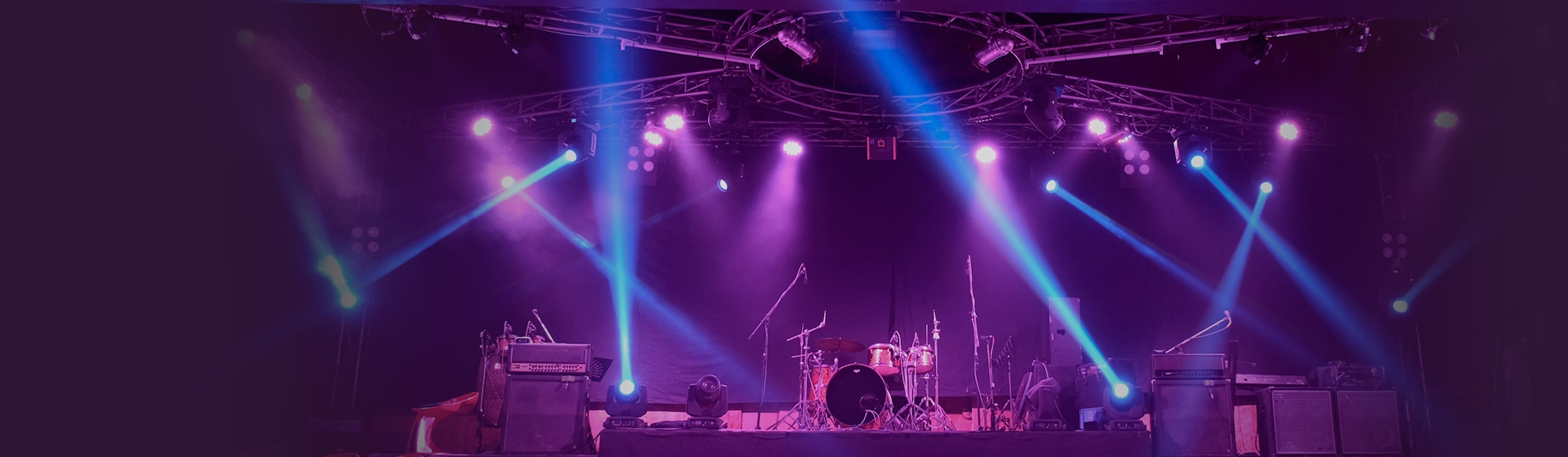
Professional audio equipment is the backbone of every successful live band performance. High-quality sound equipment plays a crucial role in bringing out the best in a band, from controlling the overall sound balance of the venue to fine-tuning bass, treble, and audio effects. Achieving optimal sound quality requires not only a professional sound engineer but also an experienced technical crew that has worked closely with the band over time. This is why our bands perform with their own trusted audio and technical teams to ensure consistent performance quality.
Standard restaurant sound systems are generally not designed to meet the specific technical requirements of live band performances. Each musical instrument has unique sound characteristics that require precise adjustments by a professional sound engineer using specialized audio equipment. This ensures that every instrument is properly balanced and that the audience enjoys the best possible musical experience.
Additionally, using a restaurant's existing sound equipment may raise concerns regarding equipment damage and liability. If any equipment is damaged during the performance, it could lead to unnecessary inconvenience, disputes, or additional costs for both parties.
Therefore, to ensure professional sound quality, reliable technical support, and a seamless live music experience, we require our bands to perform with their own professional audio equipment and experienced technical crew.
Our design packages include up to four rounds of revisions. Additional revisions beyond the fourth round may incur extra design fees, depending on the scope and complexity of the requested changes.
First Revision – Major Design Review
The first round focuses on reviewing and adjusting the initial design concept, including its overall style and layout. If the initial proposal does not meet your expectations, you may request a second design concept. However, you must clearly communicate your preferred design direction to ensure the new proposal aligns with your requirements.
Second Revision – Content and Material Adjustments
The second round focuses on replacing or updating specific design elements based on the feedback from the first revision, including images, text, and graphic materials.
Third Revision – Final Design Refinements
Similar to the second round, the third revision allows for further detailed adjustments and refinements. However, the overall design style and creative direction cannot be changed at this stage. This round is intended to help clients finalize precise design details.
Fourth Revision – Final Proofreading and Approval
The fourth round serves as the final review before the design is delivered for production. Minor details, such as typographical errors, text accuracy, and small visual adjustments, will be carefully checked and corrected. Once the client confirms that everything is accurate, the design will be considered finalized and approved.
The duration of rehearsal attendance and whether it includes positioning and cue point confirmation should be specified.