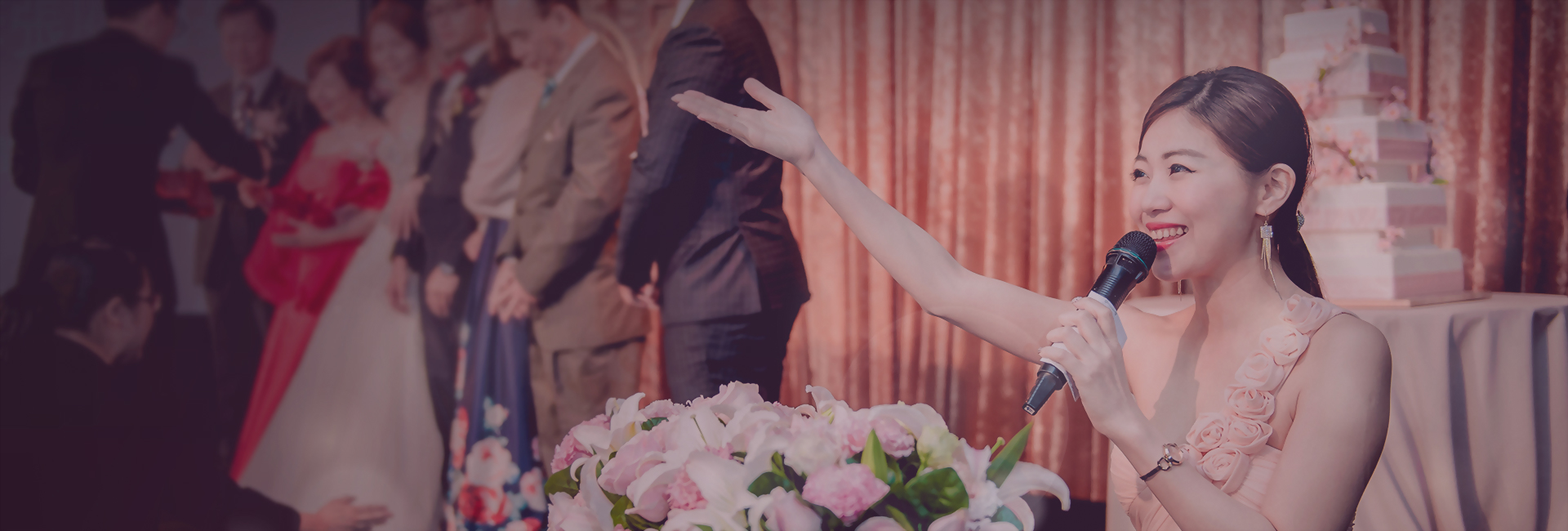
Emcee improvisation skills
Emcee improvisation skills - MOCS
In activities, no matter how well prepared you are, emergencies are often inevitable. From technical glitches to last-minute changes, these unforeseen circumstances can throw an event off schedule. As an event host, on-the-spot adaptability is the key. Whether you can stay calm and respond quickly in tense moments directly affects the success or failure of the event. The following tips can help hosts deal with various emergencies.
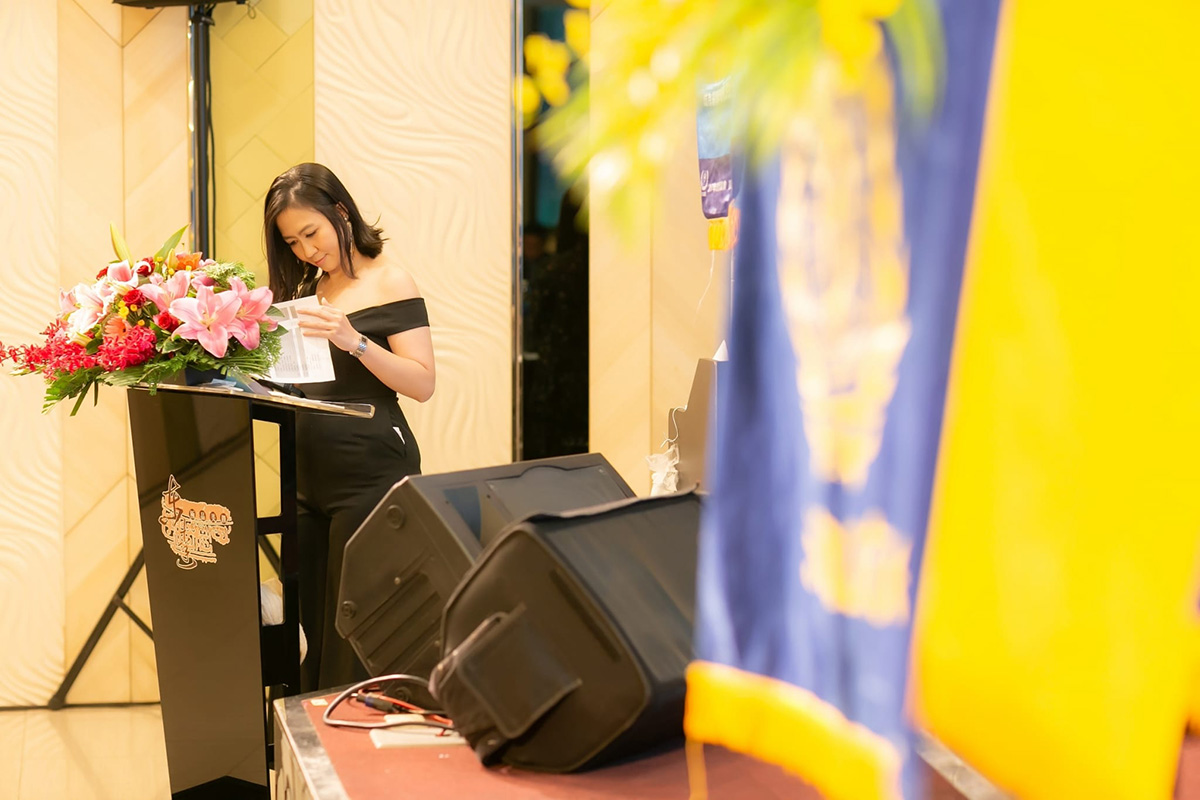
1. Preparation in advance: Make multiple plans
Although it is impossible to foresee all emergencies, being adequately prepared in advance can reduce the occurrence of many problems. Before the event, the host should carefully discuss each aspect with the event planning team, anticipate possible problems and develop a contingency plan. For example, if a guest cannot show up in time, are there alternatives? Is there backup equipment in case of technical failure? Preparing for these issues in advance can enable the host to quickly find solutions when facing difficulties and avoid significant impact on the event.
2. Stay calm: the key to being in control
When an emergency occurs, the host's calmness will directly affect the reaction of the audience and other staff. If the host can remain calm in unexpected situations, the audience will not feel too much abnormality, but will have confidence in the host's professionalism. The key to staying calm is to take a deep breath and quickly analyze the situation to find the best solution. This calm attitude helps stabilize the atmosphere and prevent panic and chaos from spreading.
3. Flexible adjustment: the ability to cope with changes
Facing temporary changes in the event, the host needs to be able to flexibly adjust. For example, when a certain link needs to be extended or shortened, the host should be able to quickly adjust the next process to ensure that the entire event still proceeds in an orderly manner. This flexibility is also reflected in the expression of language. The host needs to react quickly in the context and adjust the tone and content to cope with changes on the scene. Through flexible adjustments, the host can turn unforeseen situations into highlights of the event and even add unexpected fun to the event.
4. Act on the spot: respond calmly to technical failures
Technical glitches are one of the most common things that happen at events, from microphones not working to lights going out, these issues can disrupt the flow of an event. As a presenter, learning how to deal with these technical issues is an essential skill. First of all, the host should be familiar with the equipment in the venue and maintain close communication with the technical staff to ensure that support can be received quickly when problems occur. Secondly, when a technical failure occurs, the host should handle it calmly and fill the time with improvisation or interaction with the audience to prevent the atmosphere from becoming cold.
5. Respond to personnel changes: Flexibly handle guest issues
Guests arriving late, absent, or temporarily changing the content of their speeches are all personnel changes that may be encountered during the event. The host needs to react quickly in these situations, such as communicating with the next guest in advance to let them come on stage in advance, or adding some impromptu interactive sessions to fill the time. Flexible response to such personnel changes not only ensures the smooth progress of the event, but also demonstrates the host's on-the-spot adaptability and professionalism.
Conclusion
The ability to adapt to situations on the spot is one of the core competencies of event hosts. No matter what emergencies they face, as long as the host can respond calmly and adjust flexibly, they can turn these challenges into opportunities to showcase their professional skills. If you have any needs for event hosts, please contact Qixiang Event Creation Co., Ltd. We will provide you with the most professional event hosts to ensure that your event is a complete success.