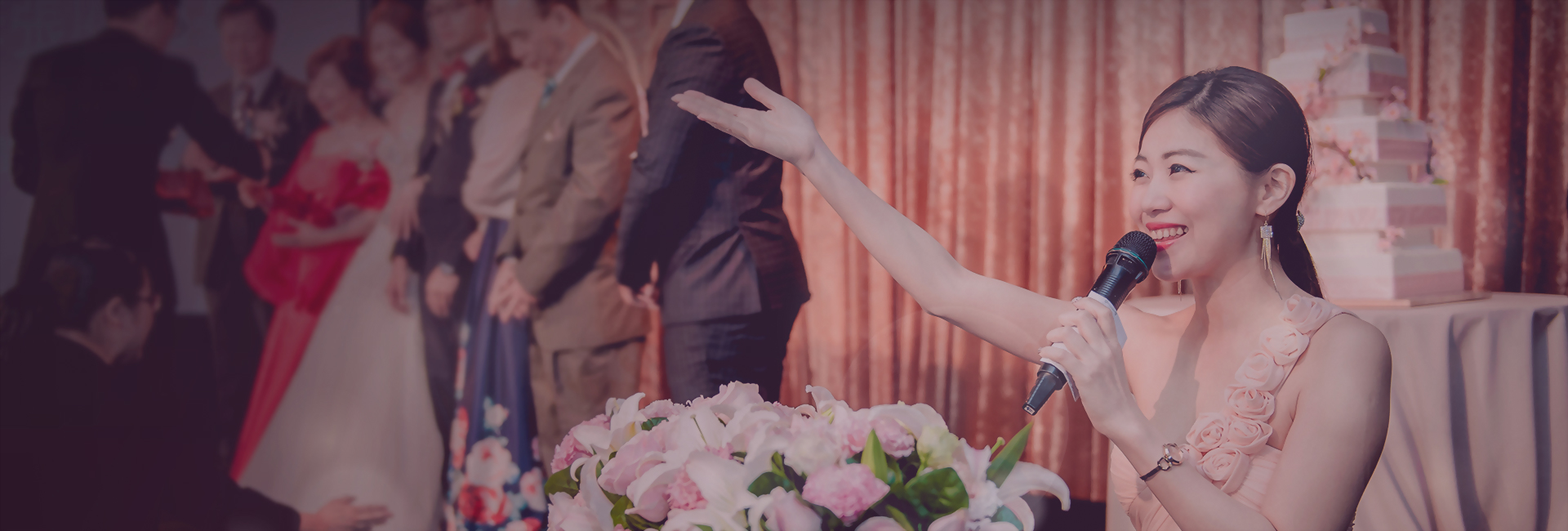
The host’s mental preparation before taking the stage
How to deal with nervousness: Mental preparation before the host goes on stage
How to deal with nerves: Even experienced presenters are bound to feel nervous before going on stage. This nervousness, if not controlled, can affect the presenter's performance. However, moderate tension can also be transformed into motivation, prompting the presenter to be more focused and engaged. Here are a few effective ways to help hosts deal with the nervousness before going on stage and prepare themselves mentally. The host’s mental preparation before taking the stage
1. Adequate preparation: the basis of self-confidence
Adequate preparation is one of the important ways to eliminate nervousness. The host should be familiar with the event process, understand every detail, and have a plan for improvisation. By repeatedly practicing important speech content and processes, you can enhance your self-confidence and make yourself more confident before going on stage. In addition, being familiar with the site and equipment and conducting on-site simulations in advance can also effectively reduce the tension caused by uncertainty.
2. Positive self-talk: the power of psychological suggestion
Autosuggestion before going on stage can be very helpful in relieving tension. Hosts can increase their self-confidence through self-encouragement, such as telling themselves "I am ready" and "I can successfully complete this hosting". This positive psychological suggestion can help the host divert attention, reduce the fear of making mistakes, and focus on how to better complete the hosting task.
3. Breathing relaxation method: adjust the physical and mental state
Breathing is a simple yet effective tool for managing tension. Hosts can take deep breaths to relax before taking the stage. The specific method is: take a deep breath, then slowly exhale, while focusing on the breathing process. Such deep breathing can help lower your heart rate, calm your emotions, and make the presenter feel calmer and more stable. It can be combined with simple relaxation techniques, such as relaxing the muscles of the shoulders and neck, which will help you get into the best state.
4. Visualize success: imagine positive scenarios
Visualization is a very effective psychological adjustment technique. The host can close his eyes before going on stage and imagine himself successfully hosting the entire event. Specifically imagine yourself speaking confidently on stage, the audience responding enthusiastically, and the event going smoothly. This positive visualization can help presenters reduce their fear of failure and mentally prepare themselves for success.
Conclusion
Nervousness is a common reaction before a host takes the stage, but through methods such as adequate preparation, positive self-talk, breathing relaxation techniques, and visualizing success, the host can effectively manage and alleviate this emotion. This kind of psychological preparation can not only improve the performance of the host, but also make the entire event smoother. If you have professional event hosting needs, please contact Qixiang Event Creation Co., Ltd. We will provide you with the best hosting services.